

Hospitality design is usually framed as guest experience versus the business. The better question is how each design decision can do more than one job. Four lenses for deciding where the budget and the design attention should go.
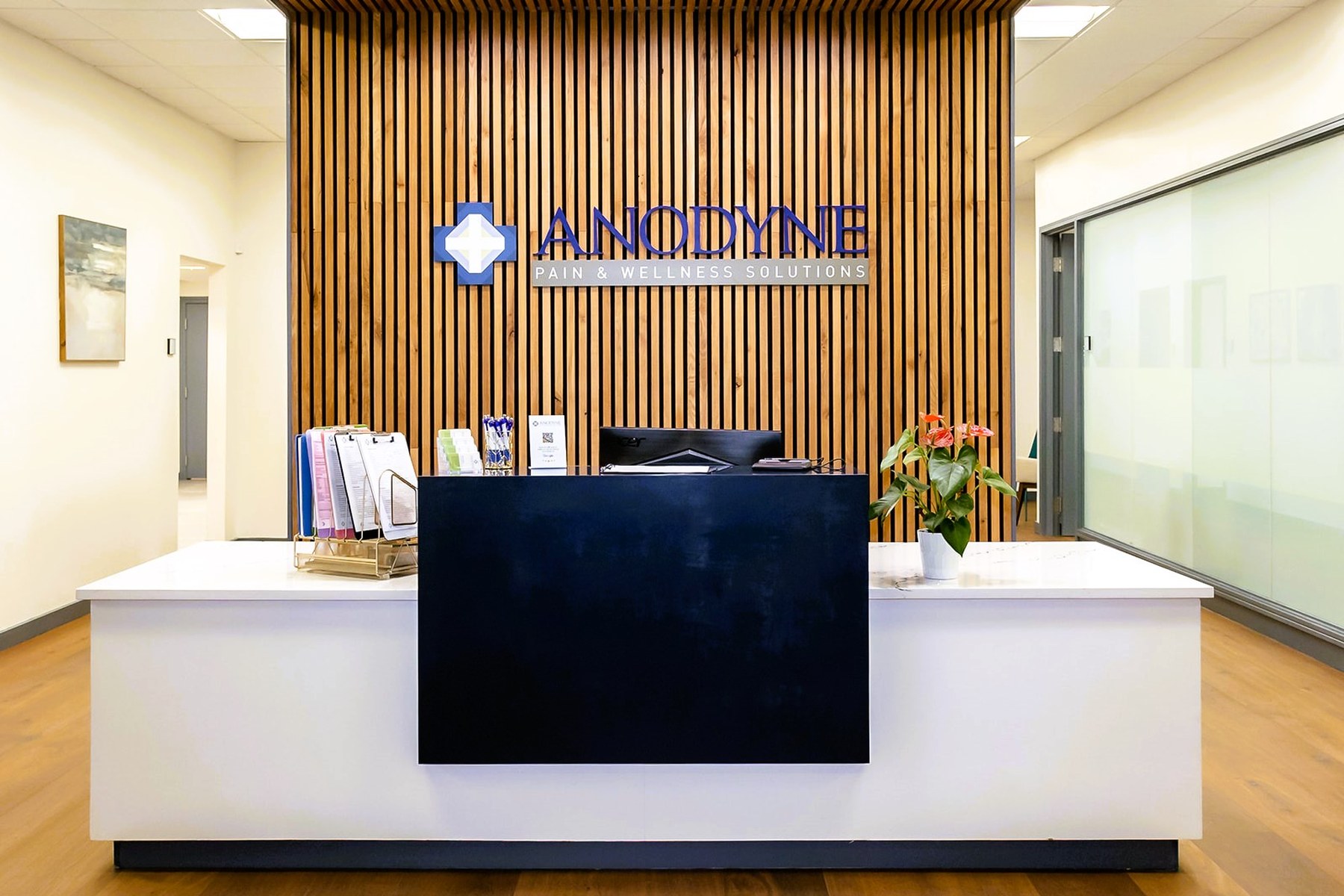
Hospitality design is often framed as a balancing act. On one side is the guest experience: the arrival, atmosphere, materials, lighting, and details that make a place memorable. On the other is the business: staffing, service flow, revenue-producing space, construction cost, and the practical realities of operating the property every day.
But the best hospitality spaces don't really choose between the two. The better question is:
How can each design decision do more than one job?
Every project has finite resources. Good hospitality design isn't about spending everywhere—or simply spending less. It's about understanding which decisions matter most to the guest, which matter to the operation, and where an investment can create value in several ways at once.
When we're evaluating a significant design decision, there are four useful lenses through which to look at it:
GUEST EXPERIENCE
Does this meaningfully improve what the guest sees, feels, or experiences?
REVENUE
Does it support a revenue-producing area, increase utilization, strengthen perceived value, or otherwise support the business?
OPERATIONS
Does it improve how employees actually use and operate the space?
RESOURCES
What does it consume in construction dollars, square footage, complexity, maintenance, or time?
A decision doesn't need to score highly in every category. But major investments should have a clear reason for being there—and the best ones often create value in more than one.
In practical terms, ask:
What does this do for the guest? What does it do for the business? What does it do for the operation? What resources does it consume?
Those four questions can change how you look at a floor plan—or a construction budget.
Consider a restaurant planning an expensive custom feature wall. The original idea is to locate it toward the rear of the restaurant, where it can elevate a less desirable seating area. It's a beautiful feature, and it solves a legitimate design problem.
But could that same investment do more?
Move the feature to the entry and make it double-sided. Now virtually every guest encounters it upon arrival, immediately establishing the character of the restaurant and setting expectations for the experience ahead. On the opposite side, the same feature becomes a defining element of a private dining room, enhancing a space with its own revenue potential.
The construction cost may not have materially changed.
The value created by that cost has.
That's resource allocation. Rather than asking only, "Is this feature worth the money?" ask, "Where can this investment do the most work?"
The principle goes well beyond finishes. Take bar placement. A bar might be visually striking almost anywhere in the room, but its location can also affect guest arrival, bartender efficiency, server travel, kitchen adjacency, storage, plumbing, and circulation.
Or consider back-of-house space. Owners understandably want to maximize revenue-producing areas, but efficiency isn't simply about making support spaces smaller. A compact service station in exactly the right location may perform better than a larger one disconnected from where the work happens.
A few extra feet of travel may seem insignificant on a floor plan until employees repeat that trip hundreds of times during a shift.
Sometimes the better question isn't, "How much space does this need?"
It's, "What does this need to be next to?"
The same four lenses can help owners evaluate where to invest—and where to simplify.
The construction budget shouldn't be spread evenly across a hospitality project. Neither should the design attention.
A material upgrade at the entry or bar may influence nearly every guest's perception of the property. That same upgrade in a low-visibility area may add cost without meaningfully changing the experience.
Conversely, some of the smartest investments may barely be noticed by guests. Better acoustics, strategically located storage, or improved service circulation may not appear in anyone's photos, but they can materially affect how the space performs every day.
The goal isn't to make everything expensive or inexpensive. It's to allocate resources intentionally—to understand where each dollar, each square foot, and each design decision can do the most work.
A hospitality property ultimately has two jobs: create an experience people want to return to and support the people responsible for delivering that experience. Those aren't separate conversations about "design" and "operations." They're both part of the architecture.
When evaluating the next major decision on a hospitality project, run it through the four lenses:
Guest Experience. Revenue. Operations. Resources.
Then look for the opportunities where one decision can accomplish more than one objective.
Because sometimes creating more value doesn't require spending more.
It requires making what you're already spending work harder.
Working through a hospitality project? Bring us the difficult decisions. Bianchi Architecture can help evaluate where design investment can do the most work for the guest, the operation, and the business.
Bring us your project. We'll bring the clarity, coordination, and a plan that fits.
Start the Conversation