

AI is expanding how much an architect can investigate, program and explore within the same design fee. Three ways Bianchi Architecture is using it in early design, and what owners should expect from their design team.
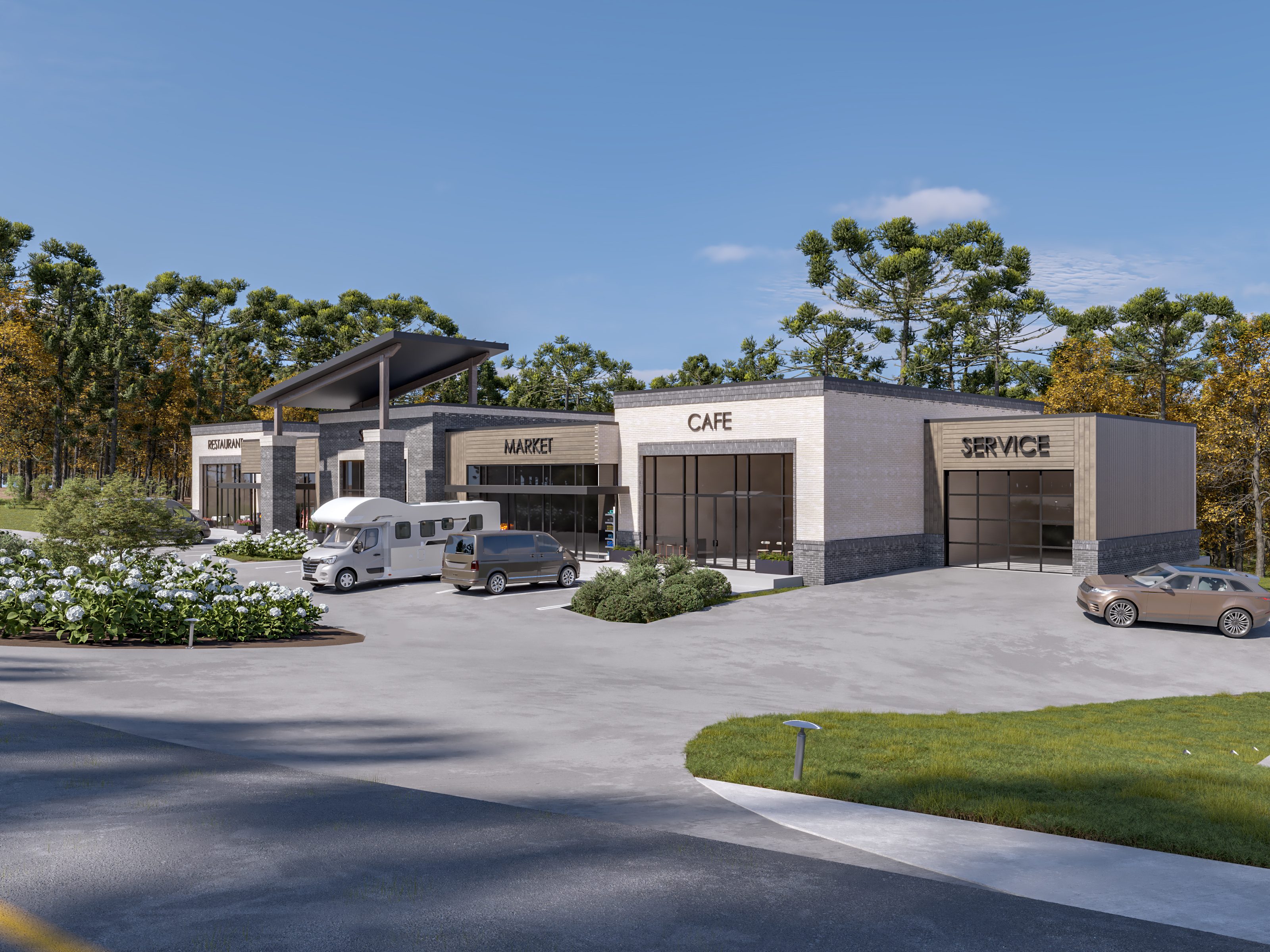
AI is raising the standard for what an architect can accomplish during early design. And if your architect isn't taking advantage of these capabilities, you may be missing opportunities to develop a better project.
Historically, time and budget have limited how thoroughly architects could investigate project constraints, evaluate alternatives, and explore design possibilities. Those limitations are changing. AI allows us to accomplish more meaningful work within the same design investment, giving owners a more thoroughly considered product before committing significant capital.
At Bianchi Architecture, we're integrating these technologies into three important areas of our early design process.
Zoning regulations, building codes, construction systems, operational requirements, and project economics all influence what can and should be built. Understanding how those considerations interact is fundamental to successful design.
AI allows us to investigate these questions more broadly and efficiently, identifying potential challenges, evaluating alternatives, and surfacing issues that might otherwise emerge later in the process.
Just as importantly, it helps us investigate opportunities.
An unusual zoning provision or building code condition doesn't always require accepting the most conservative interpretation. More efficient research allows us to explore alternatives, develop better-supported positions, and have more productive conversations with planning departments and plan reviewers.
AI doesn't replace professional judgment or authoritative code interpretation. Its findings require verification, and regulatory decisions remain with the appropriate authorities. But it expands what we can reasonably investigate before committing to a solution.
The advantage isn't simply finding answers faster. It's being able to ask more of the right questions.
One of the most consequential decisions in early design is establishing the building program: what spaces are required, how large they should be, how they relate, and what the facility must accomplish operationally.
A poorly developed program can create problems that no amount of architectural refinement will solve.
We recently worked with a client developing an indoor soccer facility in Dacula, Georgia. Before assembling the full consulting team, we needed to understand the facility's anticipated uses, operational requirements, building size, and specialized design considerations.
Using AI-supported research and programming, we explored those requirements more comprehensively and developed a clearer picture of the facility the owner actually needed. That investigation helped establish the project's scope and identify the consulting expertise required as design advanced.
Rather than assembling a full team around an incompletely defined concept, we could tailor the next phase of work to the project's actual needs, avoiding unnecessary scope and expense.
The same principle applies to restaurants, hospitality projects, retail developments, and amenity buildings. The program should reflect how the business will operate, not simply the owner's initial assumptions.
Before investing in designing a building, make sure you've invested enough effort in defining the right product.
Visualization is the most recognizable application of AI in architecture, but its value extends well beyond attractive images.
Traditionally, exploring multiple architectural styles, exterior materials, or design features required substantial modeling and rendering effort. That often limited the alternatives we could investigate within a project's design budget.
We're now using relatively simple building massing models to explore more developed architectural directions much earlier in the process.
Clients can compare material palettes, façade treatments, architectural styles, and design features before significant effort has been invested in refining a single solution. Rather than interpreting preliminary drawings or imagining how a building might look, owners can react to ideas they can actually see.
These studies make design conversations more productive, allowing us to test alternatives, gather feedback, and refine the direction quickly. And because the process is more efficient, we can often incorporate additional exploration within our existing design fees.
AI-generated imagery still requires architectural evaluation. A compelling image isn't necessarily buildable, cost-effective, or technically feasible. But the ability to explore more possibilities before committing to one represents a meaningful improvement in the design process.
AI doesn't automatically produce better architecture. Its value depends on the experience and judgment of the architect using it.
But when these capabilities are thoughtfully integrated into the design process, the benefits are substantial: more assumptions tested, more opportunities investigated, more design alternatives considered, and better-informed decisions before significant capital is committed.
For owners, the question shouldn't simply be whether their architect uses AI. It's whether they're receiving the level of exploration, analysis, and design refinement that today's technology makes possible.
The real advantage isn't producing the same work faster. It's delivering a more thoroughly considered project within the time and resources available.
The standard for early architectural design is changing. Owners should expect their design teams to change with it.
Bring us your project. We'll bring the clarity, coordination, and a plan that fits.
Start the Conversation