

Portfolio and fee tell you about design quality and cost. They don't tell you how a firm actually operates once a project is underway — which is what determines whether it stays on budget and on schedule. Four questions to ask before you sign.
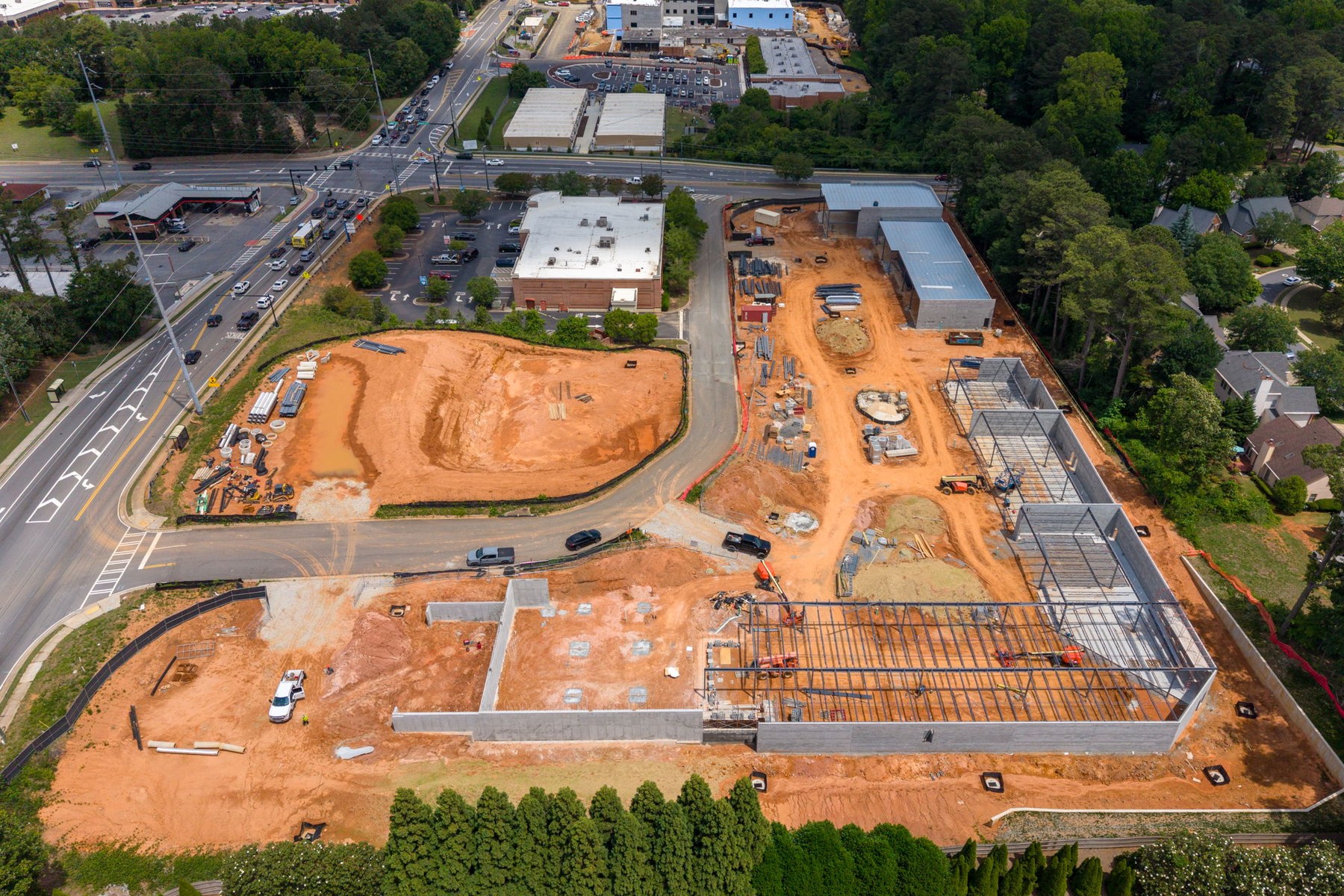
Every commercial project depends on architectural, structural, and mechanical drawings agreeing with each other before they reach a contractor. When they don't, the gaps surface in the field as RFIs, the formal questions a contractor submits when the drawings don't provide complete details, and they turn into change orders. A single coordination gap between disciplines can add real dollars to the final build before the project even breaks ground.
Ask how the firm coordinates with structural engineers and mechanical consultants, and at what point in the process that coordination happens. A firm that brings engineers in early, while design decisions are still flexible, is protecting your budget before you've spent a dollar on construction.
"Construction-ready" gets used loosely across the industry, and developers often discover what it meant only after permits are submitted or bids come in. A drawing set that looks complete on the surface can still be missing the specification detail and cross-discipline coordination that a contractor needs to price and build the project without guesswork.
Ask the architect to walk you through what's in their drawing set at each phase. If the answer names what's included and in what level of detail, you're looking at a firm that has built its process around documents a contractor can price and build from on the first submission.
Take a common scenario: a mechanical drawing calls for a four-inch pipe, and the wall it runs through is framed with a standard three-and-five-eighths-inch stud, the size used throughout most interior walls. That pipe needs a six-inch stud to fit, not the standard size. An architect with thorough, coordinated drawings catches that conflict during design. Without coordinated drawings, the issue is left to surface once the wall is already framed, and reframing at that point costs real time and money that nobody budgeted for.
Every project runs into something the original drawings didn't anticipate. The architect will be told about it, whether it's a permitting requirement or a field condition a contractor surfaces. What matters is how quickly the architect responds to the new information, and how clearly they communicate what's changing and why. A good architect doesn't leave you hanging when something goes wrong.
Find out how the firm handles communication when something shifts mid-project. A clear answer here, one that names who tells you and when, is a sign you'll have a partner who keeps you informed rather than one who surprises you.
This is the one that gets overlooked because it sounds like a financial question rather than a design question. But your architect's process for checking design decisions against your pro forma, and how often that happens, determines whether the project you end up bidding looks anything like the one you budgeted for.
Find out when budget alignment happens in the process, and how often it happens after that. If the answer is "after the design is finalized," that's worth noting. A firm that builds budget checkpoints into the design process, rather than treating cost as something to address once drawings are done, is designing toward a building you can actually afford to build.
Each of these questions points to the same underlying risk: the difference between a design that looks good in a presentation and a project that's investor-ready and buildable. Coordination gaps, incomplete drawing sets, communication breakdowns, and budget misalignment are the most common sources of change orders and the cost overruns that erode investor confidence. None of them show up in an architect's portfolio.
Bring these four questions to your next architect interview and pay attention to how specifically each one gets answered.
A strong answer names names: which engineers are involved, and at what phase. A vague answer, something like "we handle that internally" or "it depends on the project," is information too. It tells you the process isn't defined yet, which means you'd be the one discovering it once the project is underway.
Ask to see an example. A firm with a disciplined process can usually point to a drawing set or a phase-by-phase breakdown that shows how it actually works, not just how it's described. If they can't produce anything concrete, weigh that against the portfolio and the fee you've already compared.
These four questions won't tell you which architect designs the best building. They'll tell you which one keeps a project on budget and on schedule once the drawings leave the table.
Bring us your project. We'll bring the clarity, coordination, and a plan that fits.
Start the Conversation