

Half of construction change orders trace back to design documents that weren't coordinated between disciplines. The fix isn't a better drawing review at the end. It's how the design team is hired and structured at the start. Five questions to ask before you sign.
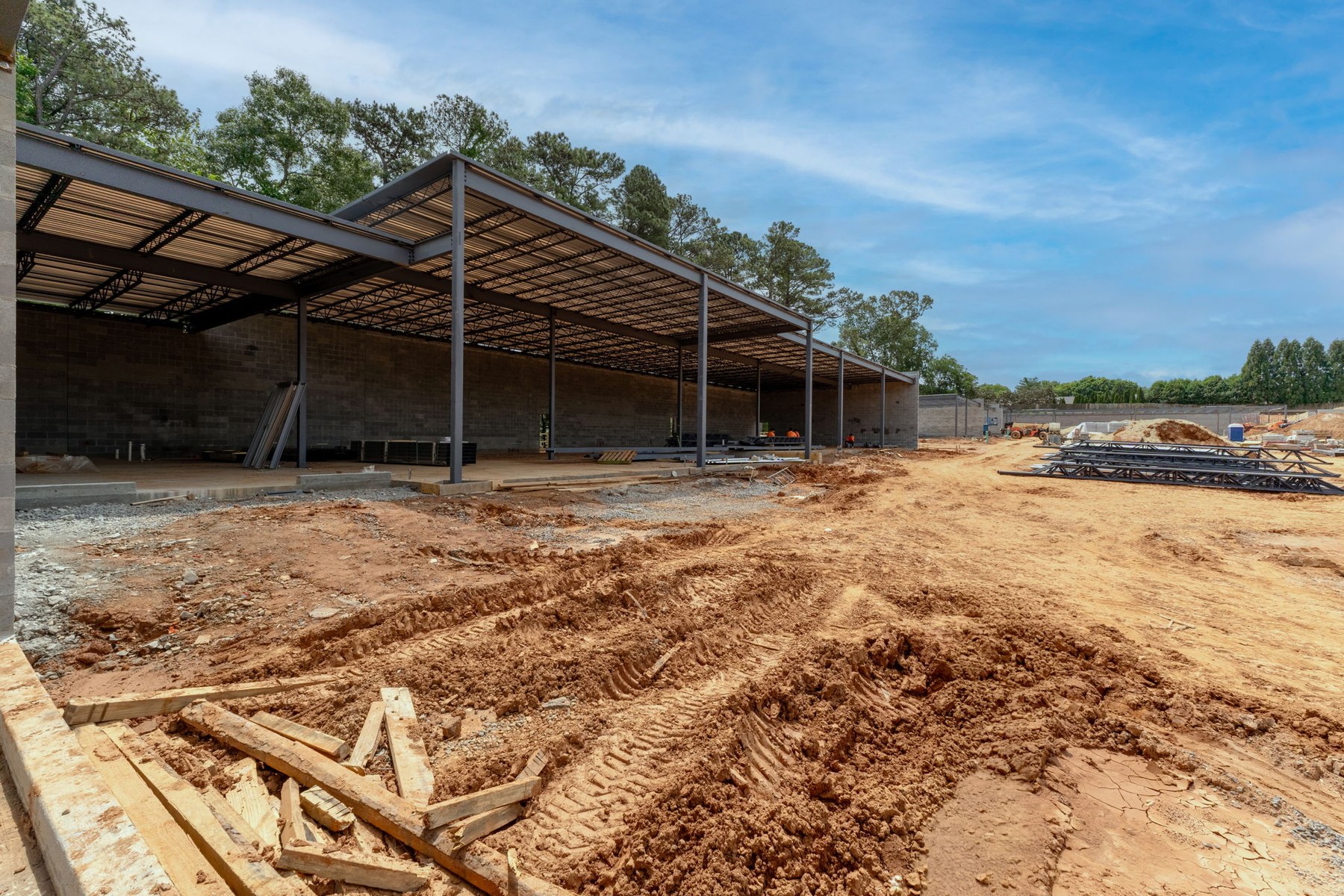
One study found that 50% of construction change orders resulted from design-document errors related to improper coordination between disciplines.¹
It's tempting to think the solution is better drawing review.
But by the time a project reaches final construction documents, many of the decisions that determine how well those drawings coordinate were made months earlier—when the design team was assembled.
The best-coordinated construction documents don't start with a coordination review. They start with a coordinated team.
For commercial developers, that makes the way you hire and structure your design team an important part of managing construction risk.
A commercial architect doesn't need to design the structural, mechanical, electrical, or plumbing systems. That's why specialized engineers are part of the team.
But the architect leading the project needs to understand enough about those systems to anticipate their impact on the building.
Where will major mechanical systems go? How will plumbing stack through the building? What does the structural system mean for openings, spans, and ceiling heights? How will interior design decisions interact with lighting, power, mechanical distribution, fire protection, and architectural detailing?
Those considerations shouldn't appear after the architecture is finished.
They should help shape it.
That's the difference between designing a building and then asking consultants to make their systems fit—and designing the building together.
Developers already understand this concept during construction.
You typically don't hire the electrician, plumber, framer, roofer, and HVAC contractor separately and personally manage the relationships between them. You hire a general contractor who takes responsibility for coordinating the work of the subcontractors.
The design team benefits from similar clarity.
On many projects, the architect serves as the prime design consultant, with structural, MEP, and other consultants working beneath that agreement. Other arrangements can certainly work—civil engineers, interior designers, kitchen consultants, and specialty consultants are often contracted separately by the owner.
The important question is:
Who is responsible for coordinating everyone?
If nobody has clear responsibility for the whole, the developer can unintentionally become the coordinator of several specialized design firms in disciplines they may know relatively little about.
That's not a great place for project risk to live.
Technical experience matters. Your engineers and consultants should understand the building type and systems they're being asked to design.
But there's another question worth asking:
How often have these people worked together?
A team that has successfully delivered projects together develops efficiencies that don't show up on a qualifications sheet. They understand how one another communicates, what information needs to move early, where conflicts commonly arise, and who needs to be involved when a decision crosses disciplines.
That history can make the design process more seamless.
Because the goal shouldn't simply be a team that coordinates together at the end.
You want a team that designs together from the beginning.
Before engaging an architect and engineering team for your next commercial project, ask:
1. Who will be responsible for leading and coordinating the entire design team?
You want a clear answer and a clear point of accountability.
2. Which consultants will contract through the architect, and which will I hold directly?
There isn't one correct structure for every project, but responsibilities between separate contracts should be clearly defined.
3. Does the architect understand the building systems required for this type of project?
Ask about technical experience, not just whether the firm has designed buildings that look similar.
4. How much experience does the proposed team have working together?
Individual expertise matters. So does the team's ability to communicate and solve problems together.
5. When do the engineers and other consultants become involved in design decisions?
If the answer is essentially "after the architecture is developed," that's worth exploring further. Structural, MEP, civil, interiors, and other disciplines should inform the building as the design develops.
These questions won't guarantee a project without change orders. Nothing can.
They can help reveal whether you're hiring an integrated design team—or several companies that will eventually need to figure out how their drawings fit together.
Some change orders are unavoidable. Owners change direction. Existing conditions reveal surprises. Products become unavailable. Construction introduces variables no drawing set can completely eliminate.
But coordination problems are different.
A structural beam and a mechanical duct don't suddenly become incompatible when the contractor discovers the conflict. They were incompatible when they were drawn.
The opportunity is to identify those problems earlier—and ideally to design the building so fewer of those conflicts are created in the first place.
That starts with the people you hire, how responsibility is structured, and whether your consultants are truly designing together.
If you're assembling a design team for a commercial project, ask these five questions before you sign the contracts. The answers may tell you as much about your future construction documents as the firm's portfolio does.
Source
1. Federal Facilities Council, National Research Council, Reducing Construction Costs: Uses of Best Dispute Resolution Practices by Project Owners, National Academies Press.
Bring us your project. We'll bring the clarity, coordination, and a plan that fits.
Start the Conversation